Inspiring Curiosity, Confidence and Growth
Through play, exploration and meaningful experiences, we help children develop the skills they need for life.
How learning happens at Pathways
Five everyday pillars that bring our curriculum to life and shape every child's experience.
EYFS Curriculum
We follow the Early Years Foundation Stage, bringing all seven areas of learning to life every day.
Inclusive Education
Every child is valued and welcome. Inclusion is at the heart of our provision. We offer an enabling, accessible and inclusive learning environment which meets your child's individual needs.
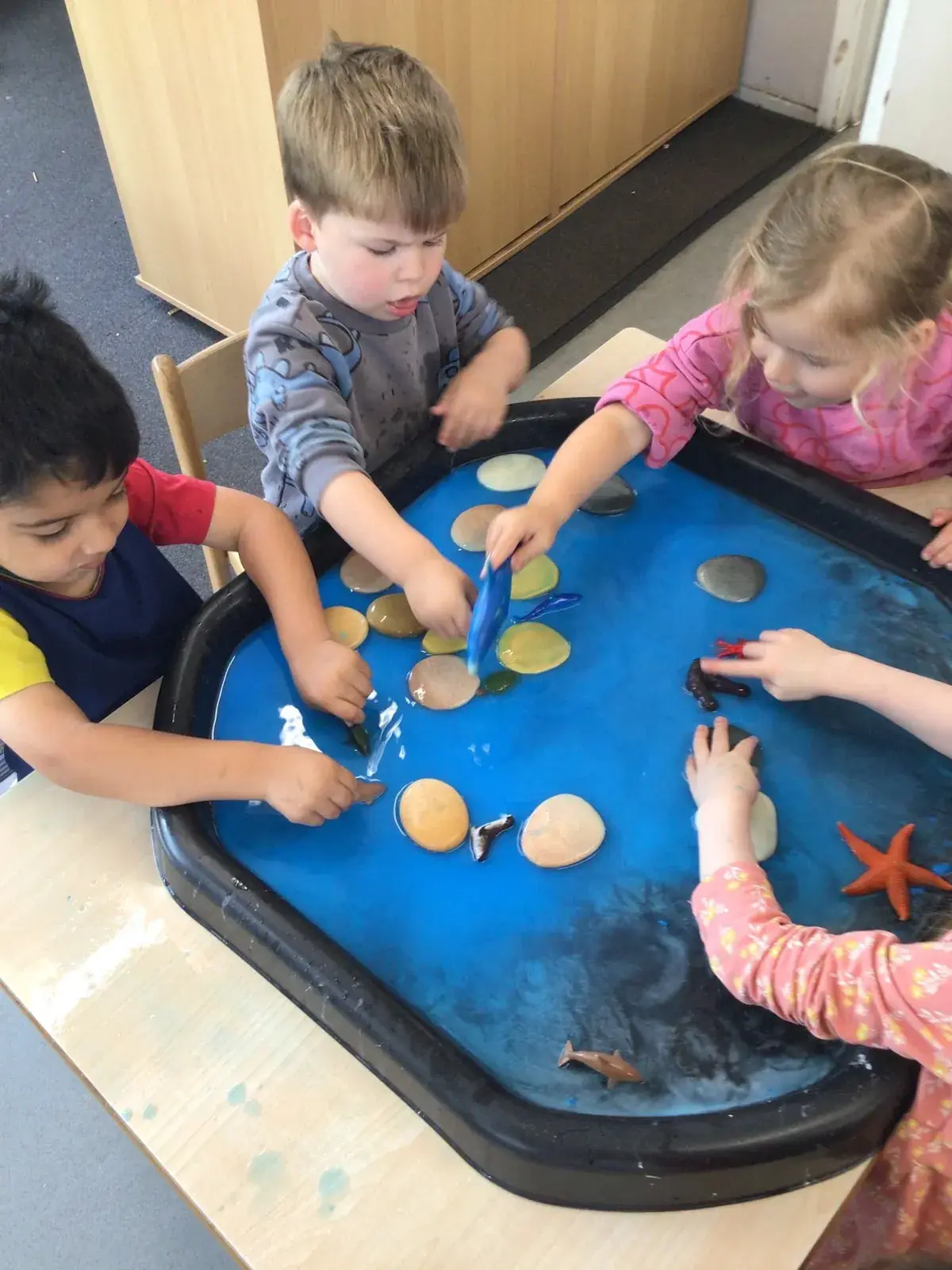
Learning Through Play and Exploration
Play is how children make sense of the world — at the heart of everything we do.
Key Persons
Warm, qualified key persons who really know your child and tailor learning to them and who communicate with you so you can support your chlid's learning at home.
Observation & Assessment
Ongoing observations and online learning journals shared openly with families.
A broad, balanced EYFS curriculum
Pathways curriculum and teaching is based around seven areas of learning and development, which are interlinked. For under 3s the focus is on the Three Prime Areas and for the older children also teach the four specific areas. Teaching is based on age appropriate interactions, playing, exploring and the three characteristics of effective teaching and learning.
Prime Areas
Personal, Social & Emotional Development
Focus: Help children develop self - regulation, manage self-care and behaviour, and builds positive relationships.
Communication & Language
Focus: Developing listening, attention, understanding and speaking skills through rich conversations, songs and stories that grow vocabulary every day.
Physical Development
Focus: Building gross motor skills (movement, coordination, balance) and fine motor skills (using tools and hand eye coordination).
Specific Areas
Literacy
Focus: Developing comprehension, early reading and early writing skills, through promoting a love of books, mark-making and the first steps of early phonics.
Mathematics
Focus: Understanding numbers, shapes and patterns.
Understanding the World
Focus: Making sense of past and present history, people, culture, communities, and the natural world. Exploring technology.
Expressive Arts & Design
Focus: Creating with materials and being imaginative or expressive through music, role-play, art and story telling. Using imagination to express ideas and feelings.
The Characteristics of Effective Learning
Alongside what children learn, we pay close attention to how they learn and their attitude towards learning. We use these to assess and understand how a child interacts with their environment and to help support their individual learning style.
Explore Our Quality of Education
Dive deeper into the areas that shape your child's learning, wellbeing and progress at Pathways.
Outcomes that last a lifetime
Our approach is shaped around the difference it makes to children — confident, communicative learners who are ready for whatever comes next.
A gallery of learning at Pathways
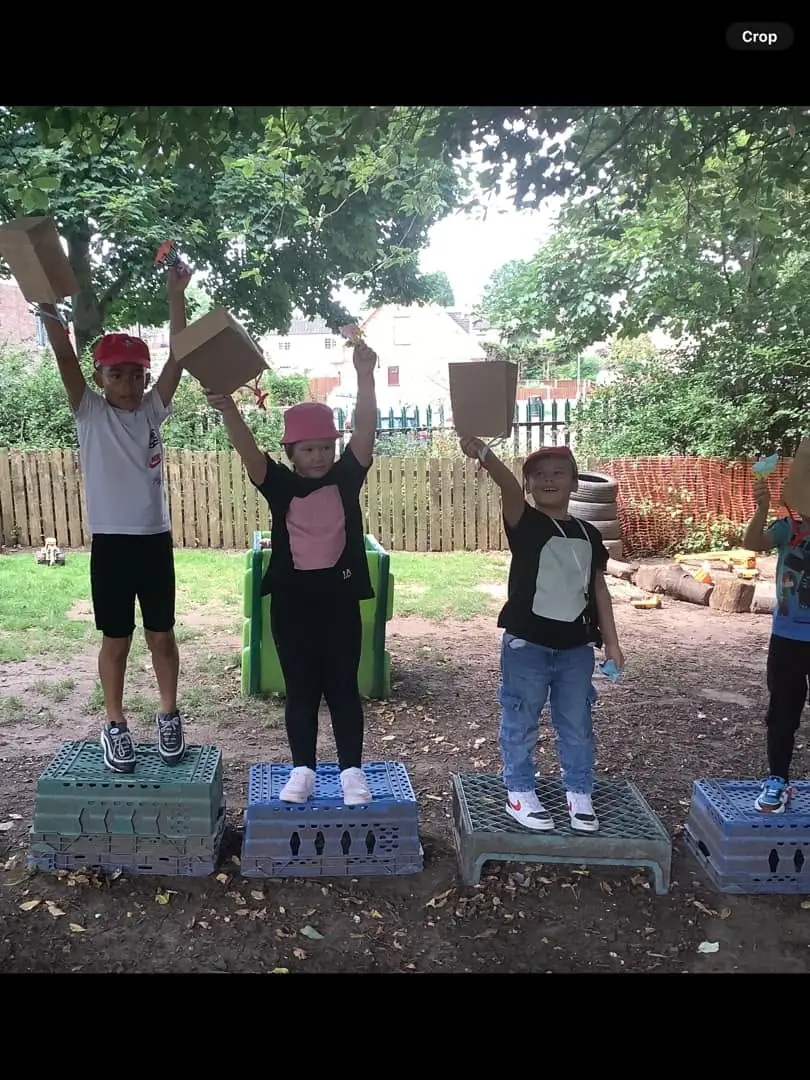
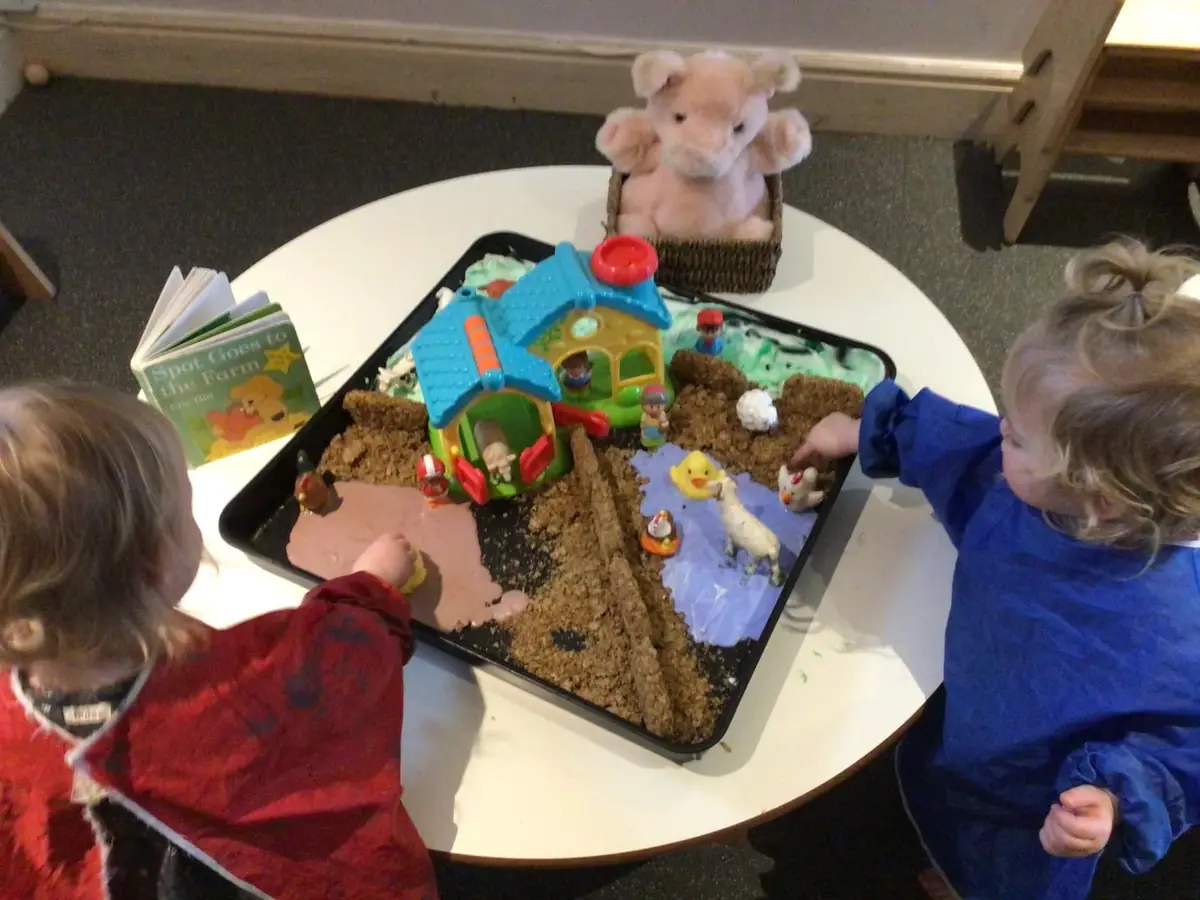
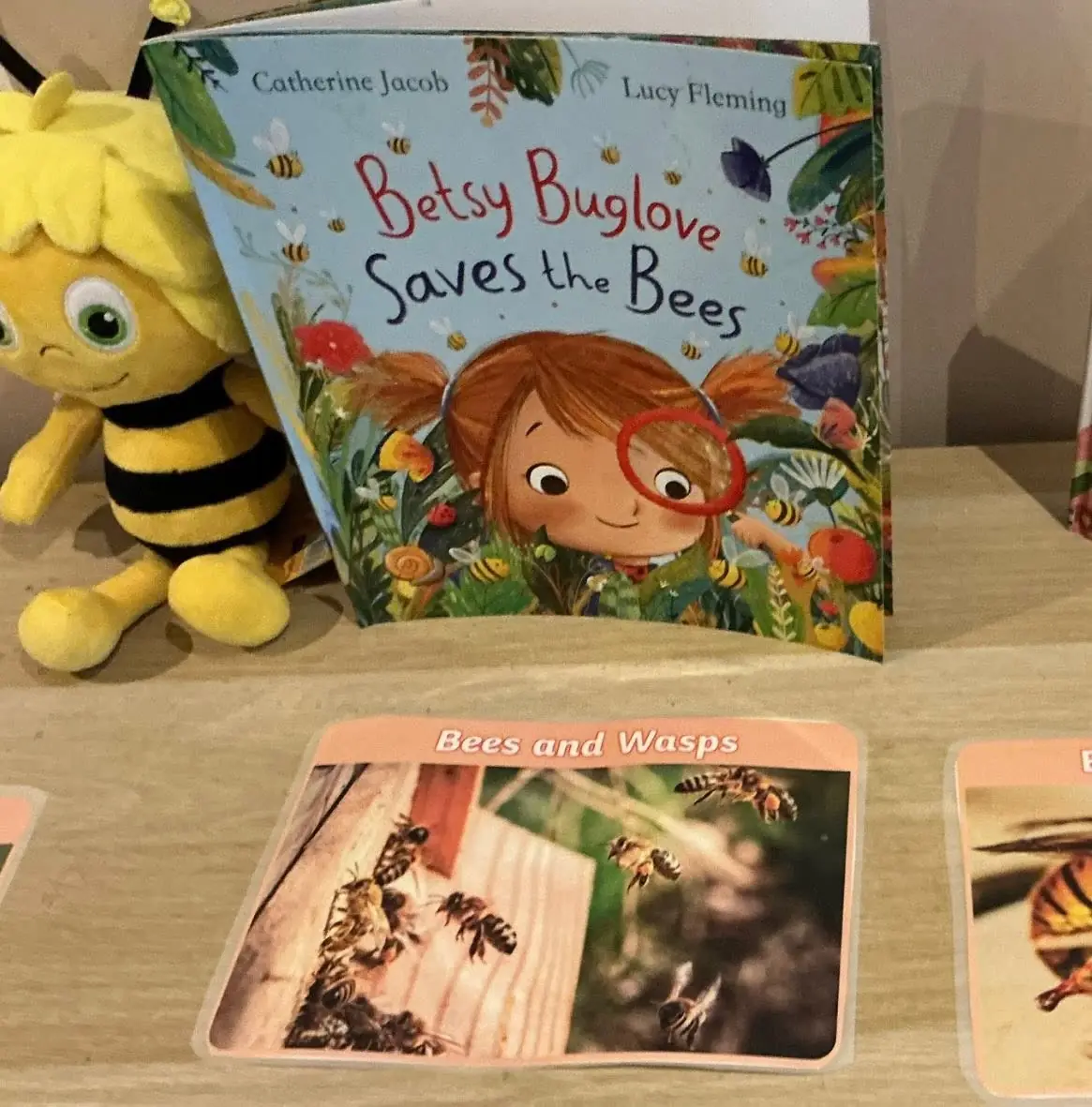
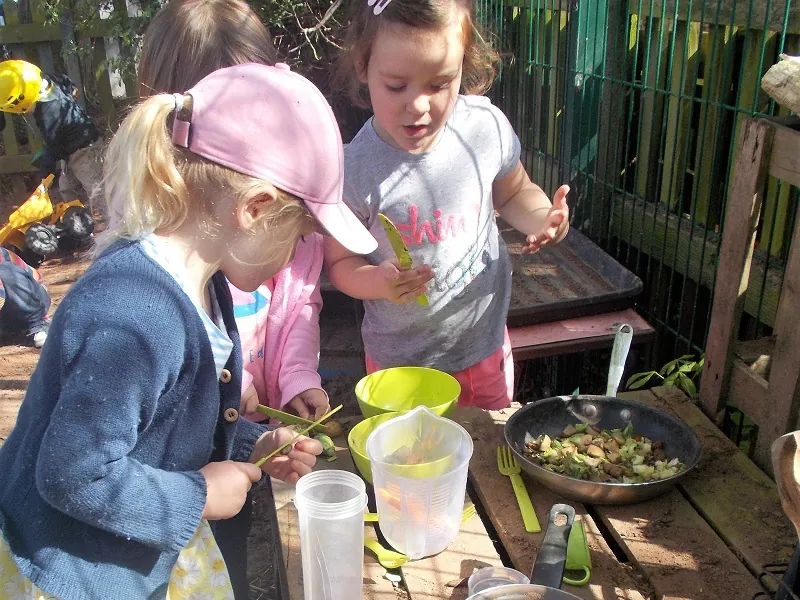
From creative messy play to outdoor exploration — glimpses of the rich, varied learning that happens across our nurseries every day.
Ready to see Pathways for yourself?
Arrange a visit, meet the team and discover the setting that feels right for your family.