Curriculum & Teaching
Our curriculum is carefully planned, sequenced and delivered through high-quality interactions, purposeful play and responsive teaching.
A curriculum designed around how young children learn
At Pathways, our curriculum is built around the Early Years Foundation Stage and shaped by each child's age, stage, interests and individual needs. We combine child-led play, adult-guided learning, warm relationships and carefully planned experiences so children build the knowledge, skills and confidence they need for their next stage.
Ambitious for every child
High expectations for every child, whatever their starting point.
Built around the EYFS
Carefully planned and sequenced across the seven areas of learning.
Play with purpose
Play is how young children learn — every activity has intention behind it.
Responsive teaching
Practitioners notice, respond and extend learning in the moment.
How our curriculum comes to life
Intent
What we want children to learn
A broad, ambitious curriculum that builds knowledge, skills and confidence — shaped by each child's age, stage, interests and needs.
Implementation
How practitioners teach
Warm relationships, purposeful play and adult-guided learning. Staff model, explain, question, support and extend ideas all day.
Impact
How children grow
Children grow in confidence, independence, communication, curiosity and readiness for their next stage of learning.
A broad, balanced EYFS curriculum
The EYFS is built around seven areas of learning. The three prime areas are especially important for young children and underpin learning across the curriculum. The four specific areas build on those foundations as children grow.
Communication and language runs through everything
Talking, listening and rich language sit at the heart of our day — from story-time and songs to conversations during play. It underpins every area of learning.
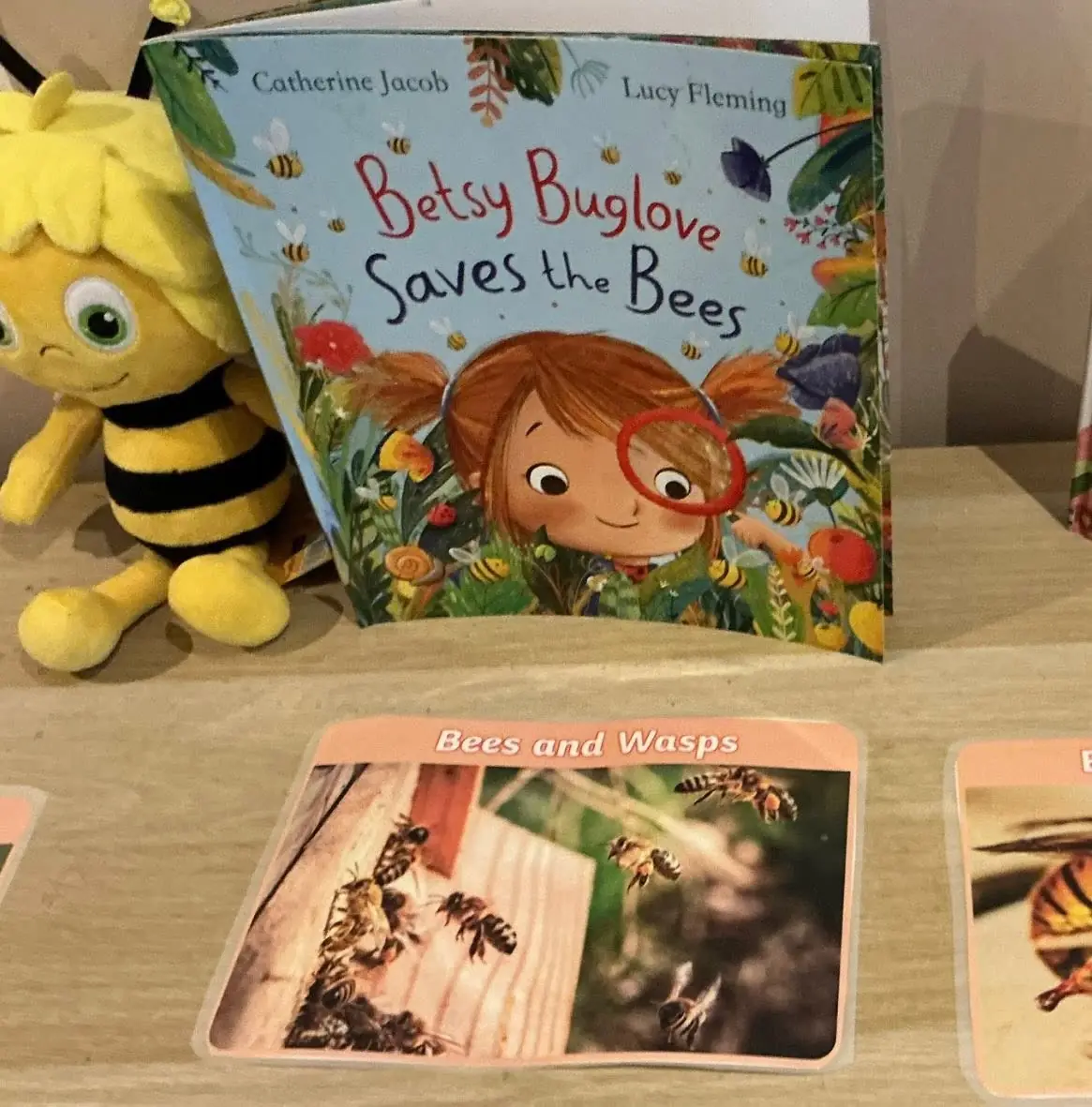
Teaching in early years happens all day
Teaching isn't only formal lessons. It's woven into every moment — the way an adult joins in with play, asks a question, offers an idea or gently sets the next small challenge.
Modelling
Showing children how — from holding a pencil to taking turns.
Explaining
Putting words to what's happening so ideas make sense.
Demonstrating
Practical, hands-on examples that bring learning alive.
Questioning
Open questions that spark thinking and conversation.
Encouraging
Warm encouragement that builds confidence and effort.
Recalling
Helping children remember, retell and build on earlier learning.
Narrating play
Adding language to children's play to deepen understanding.
Extending ideas
Building on a child's interest to take learning further.
Gentle challenges
Small, achievable next steps that stretch every learner.
Supporting routines
Helping children grow more independent every day.
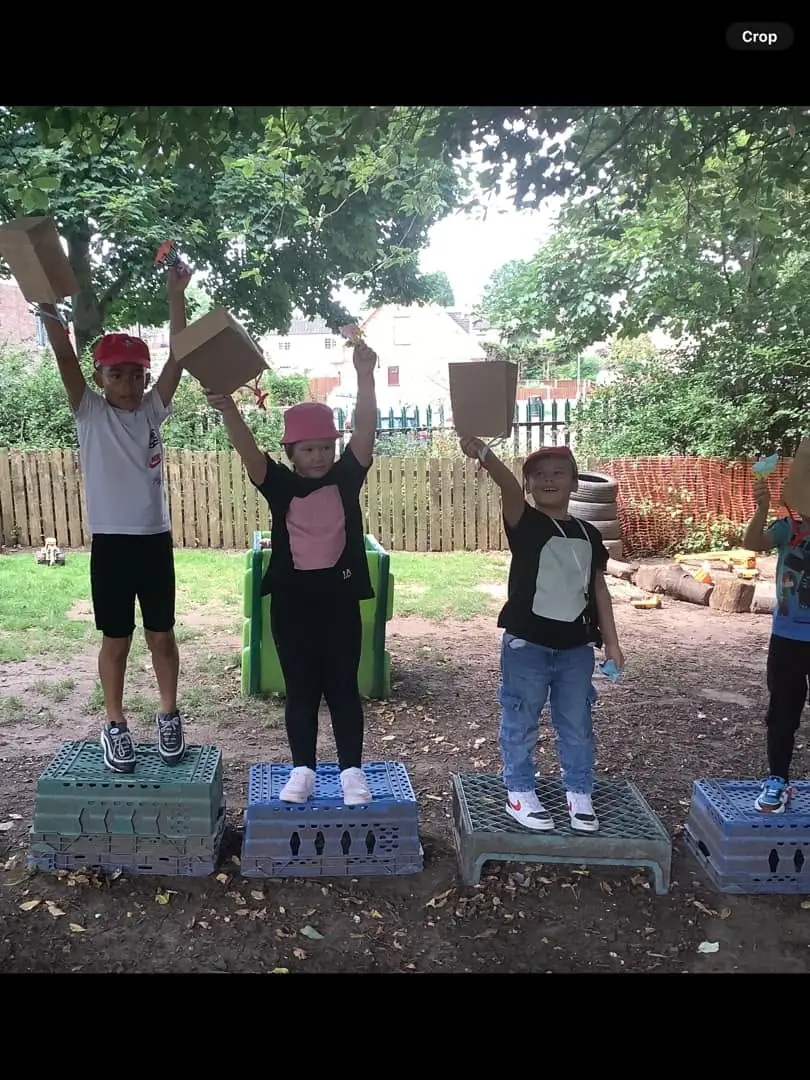
Learning through play, curiosity and guided support
Play is how young children make sense of the world. Practitioners join in, listen and extend learning in the moment.
Child-led exploration
Time and space for children to follow their own ideas and questions.
Carefully chosen resources
Open-ended materials that invite curiosity, creativity and problem-solving.
Indoor and outdoor learning
Daily access to outdoor spaces — every kind of weather, every kind of play.
Small group experiences
Focused moments that build skills, friendships and confidence to share ideas.
Creative & sensory play
Art, music, water, sand and messy play that let children express and explore.
Forest & outdoor learning
Nature-based experiences where available — woodland, gardens and forest school.
Building knowledge step by step
Our staff think carefully about what each child already knows, what comes next, and how to help them practise and revisit learning so it sticks.
Observe
Notice what children do, say, explore and enjoy.
Recognise
Identify strengths, fascinations and emerging skills.
Plan
Shape next steps that match what comes next.
Teach
Model, guide and support learning in the moment.
Review
Reflect on progress and revisit learning together.
An ambitious curriculum for every child
We hold high expectations for every child. Our curriculum adapts so each child can take part, make progress and feel proud of what they achieve.
SEND support
A qualified SENCo at every setting and inclusive provision that adapts to every child.
Adaptations & adjustments
Reasonable adjustments to environment, resources and routines so every child can take part.
English as an Additional Language
Visual cues, key words and bilingual resources — home languages are valued and celebrated.
Early identification
Trained practitioners who notice early when a child may need extra support.
Partnership with parents
Working closely with families to plan, share and review support together.
Working with specialists
Liaising with health, education and outside professionals where needed.
High expectations for all
Every child is ambitious for, encouraged and supported to thrive.
Ready for what comes next
Our curriculum builds the foundations children need for their next room, their next setting and — when the time comes — for school.
Confidence
A strong sense of self and the courage to try new things.
Independence
Everyday skills — dressing, tidying, asking for help and looking after belongings.
Communication
Talking, listening and explaining ideas clearly to adults and friends.
Friendships
Playing, sharing, taking turns and resolving small problems together.
Early literacy & maths
Foundations of reading, writing, counting and number ready for Reception.
Emotional security
Knowing how to ask for help and how to manage big feelings.
School readiness
Where appropriate, focused preparation for the move into Reception.
Explore more of our approach
Learning & Development
Seven areas of learning and how we track progress.
Explore Learning & DevelopmentBehaviour, Attitudes & Routines
Self-regulation, confidence and consistent routines.
Explore Behaviour, Attitudes & RoutinesInclusion & SEND
Early identification and inclusive support for every child.
Explore Inclusion & SENDDaily Routine
The familiar rhythm of a Pathways day.
Explore Daily RoutineKey Person Approach
The trusted adult who knows your child best.
Explore Key Person ApproachSchool Readiness
How we prepare children for their move to Reception.
Explore School ReadinessReady to see Pathways for yourself?
Arrange a visit, meet the team and discover the setting that feels right for your family.